5/5: Controversy surrounding this topic, and why there are so many perspectives
Finally, it is evident that technology is propelling society, benefiting both adults and children alike. Consequently, the perspectives of outright rejecting or unquestionably embracing technology are highly polarizing. With diverse opinions surrounding this topic, the following section aims to delve into the debates and perspectives.
Let’s start by examining a form of technology many consider ‘extreme’:
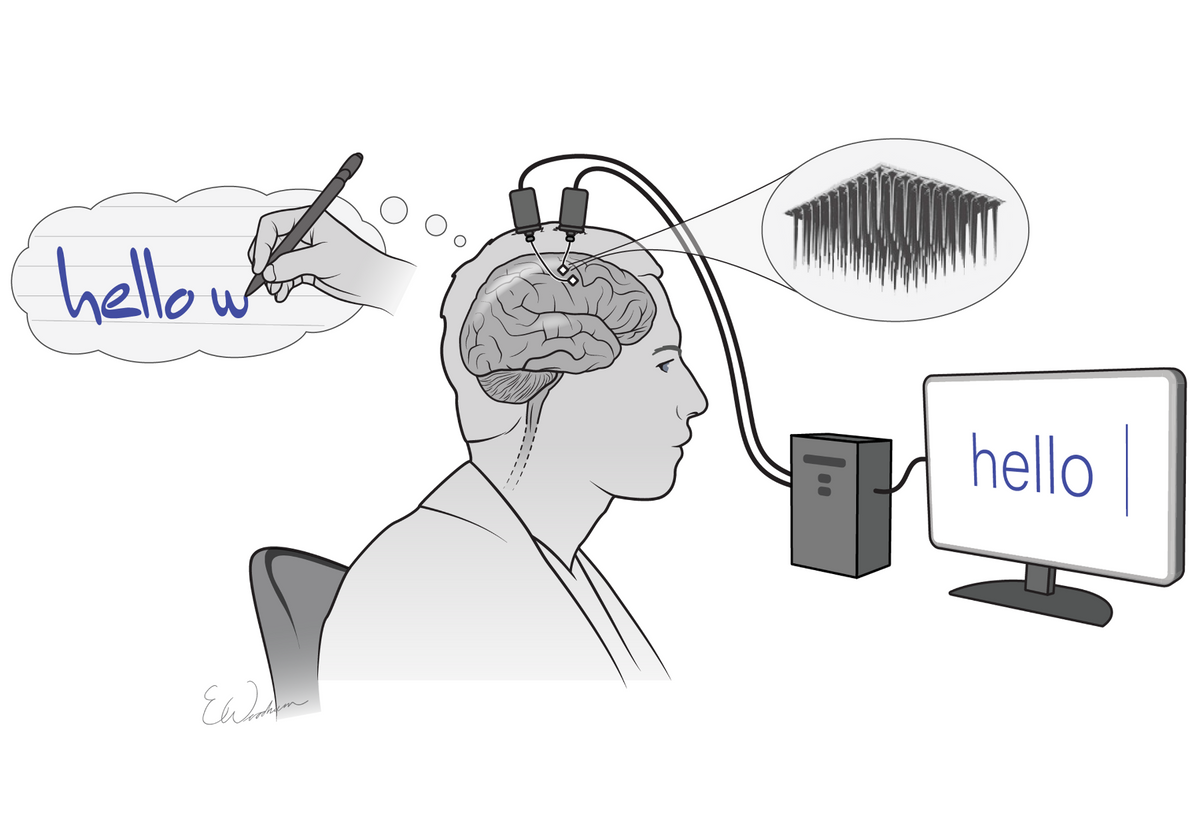

As a general term, these technologies are known as brain-machine interfaces (BMIs). Perhaps you've heard of Elon Musk's Neuralink brain chip, which has recently been implemented in a human for the first time. This is a form of BMI, and it is happening now. BMIs serve as an extreme example of technological advancement because they translate neural activity into commands capable of controlling software or hardware, such as computers or prosthetic limbs (Korte, 2020). Essentially, this technology allows thoughts to guide actions in the external world.
As we’ve seen in the last section, young children need interactions with parents when using technology for it to actually be healthy and beneficial. Therefore, several issues may arise due to this.
Plasticity: The prefrontal cortex, which is primarily involved in decision-making, attention, and self-regulation—key executive functions—is a highly plastic region during early childhood development (Tracy et al., 2014). This means it is malleable and can change in response to specific experiences. Therefore, we can draw connections to the use of advanced technologies, such as BMIs (Brain-Machine Interfaces). Careless utilization of these technologies as a means to 'supplement' or 'randomly boost' performance could lead to over-reliance (Maynard & Scragg, 2019).
Explicit studies haven’t been done on how BMI’s will affect children, however, examining patterns on previous technology use and it’s impacts helps us predict. This extreme form of technology however, was obviously introduced for a reason as there were goals in mind which would benefit the population (Lebedev 2011).
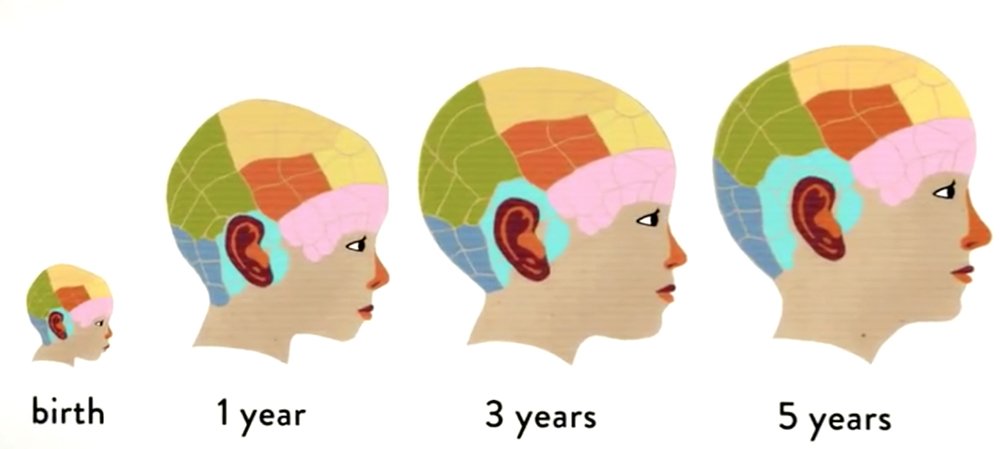
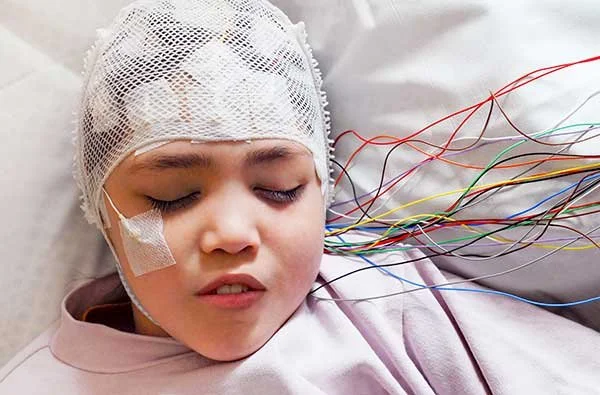
Neurological conditions, such as Parkinson’s and epilepsy, have the potential to be treated at a young age with this brain interface system (Lebedev 2011).
Children with physical disabilities may often feel isolated because of their situation. Furthermore, adapting to prosthetic limbs as they grow older can be a challenging process that takes time. Therefore, the use of BMIs to control their prosthetic limb as naturally as any other part of the body can help overcome these difficulties (Lebedev 2011).
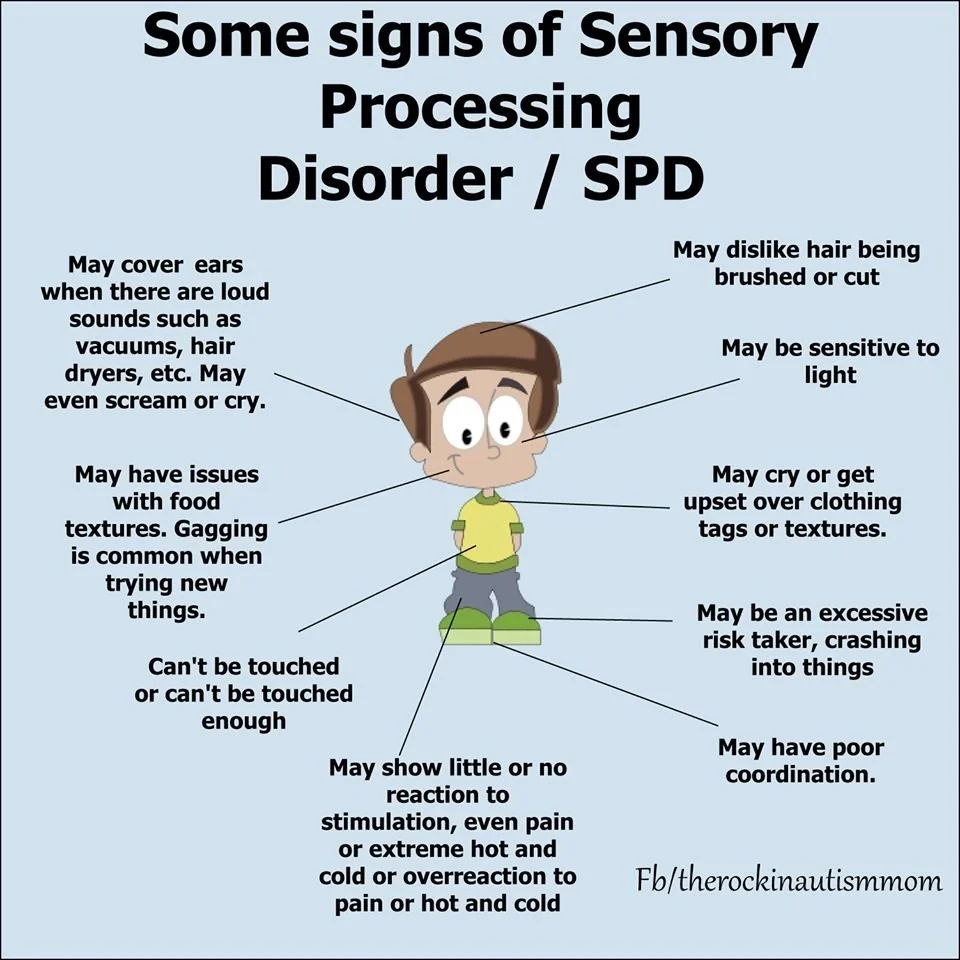

By implementing artificial connections between the brain and artificial sensors, it may be possible to regain certain sensory functions, such as taste, vision (light sensitivity), and hearing (Lebedev 2011; Lebedev 2014).
Wow! Isn’t that amazing and revoluntiary, what that could possibly do to children in need of this technology? It genuingely life changing, espexically with this implementation into their lives when their brains are highly plastic and these early experiences can often subconsoiculy program their brain as they get older. This extreme form of technology was obviously made for a reason with a goal in mind, but that means we as a society still have to be very careful with this technology.
“The machine controls the mindset, as it makes everybody dependent on it. In the short story, when the machine stops working, society collapses. ”
This point, though greatly exaggerated and presented in a short story from 1909, serves to heighten our awareness of the risks associated with rapid technological advancements (Korte, 2020). Such an exaggerated portrayal can be useful in an era where technology stops for no one. Essentially, it boils down to viewing BMIs (Brain-Machine Interfaces) as treatments or aids for specific conditions, especially for children. When it comes to using them to help enhance areas in life, sort of as a facultative relationship where you might have been fine without it, that is when you need to consider close monitoring of it as parents.
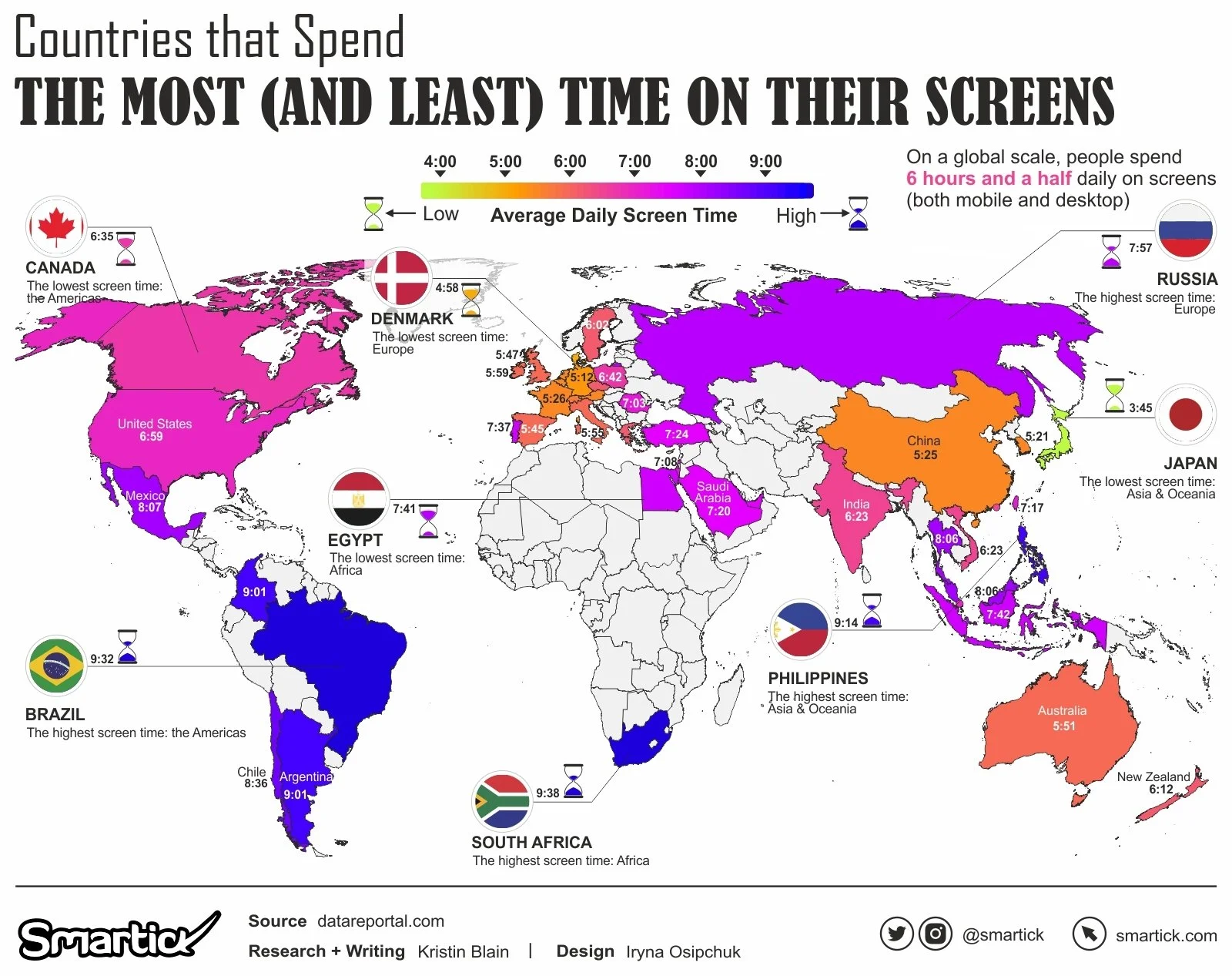
Some places on Earth obviously have much less screen time on average, whereas other countries, being more developed, rely on it more (Odgers, 2020). It's not to say one country necessarily benefits from greater screen time because the average citizen spends more time on screens, and we don’t necessarily have study statistics that say it’s objectively worse. The fact of the matter is, there are different cultures around the world where technology is more available, and thus it is used more, leading to both benefits and drawbacks when using screens.
We most likely won’t see a well-documented effect of all of this until further into the future when technology will have been around for hundreds of years. Technically, compared to how long humans have been around, technology is still relatively new. We’ve seen impacts of it; however, the idea of outright rejecting technology and just moving to the countryside isn’t an objective statement that can factually be proven as the healthier, more peaceful thing to do when raising a child. In addition, we have also seen ways in which it can heavily negatively impact children when carelessly used and given to children without proper monitoring of what the children consume and how often they consume it. There are major effects to that as well.
Based on the fast-paced movement of technology, there's clear evidence of an increased use of technology among children around the world at an earlier age. Thus, there's naturally a greater chance for careless use of screens, which results in the negative effects we've explored. Therefore, this discussion about screens needs to be promoted among early childhood development implications to just get it out in the open and encourage people to talk about it. Instead of seeing it in black and white, we need to approach this as if we are on a continuum. For some families, they may be differently placed on this scale, and this doesn’t mean they are necessarily wrong but rather need to ensure that whether they use screens a little or a lot, the use with children is healthy and appropriate. As long as there is an emphasis on that, this continuum is flexible, and as we know now, there isn’t a true one-size-fits-all answer.

Wow! We have finally reached the end of our journey. We've gradually built up and ventured through each of the 5 sections, and hopefully, you now have a better understanding of and have learned about this issue regarding child development, just like I have!
If you'd like, let me know what the most interesting thing you’ve learned is and how you would position yourself on the continuum regarding this situation. Additionally, what questions, if any, do you have about this?