4/5: Navigating Solutions: Varied Approaches to Addressing the Impact, from Parenting Strategies to Interventions and Digital Detoxing
In this section, the objective is to explore potential solutions based on the discussions presented earlier. By examining strategies ranging from parenting approaches to interventions and digital detoxing, the aim is to encourage more individuals to engage in conversations about the unfolding 'pandemic'.
At this point, it's important to acknowledge that there isn't a one-size-fits-all solution to this complex scenario. It's likely that a balanced approach, incorporating elements from both sides, will be necessary. Pushing for a 100% technology cleanse isn't advisable, considering the clear and helpful advancements that contribute to individuals' health and daily lives. This holds true for children and their early development as well. Rather than embracing extremes, the most crucial step is to initiate genuine conversations about the topic.
“Technology is neither good nor bad; nor is it neutral.”




Specifically for infants and toddlers, technology may be useful but only in specific contexts. This is crucial; otherwise, it can severely impact their cognitive and socio-emotional skills. When this age group interacts with technology, it is important that parents monitor and interact with the child to help navigate their experience (Hill, 2016). Parents also need to be able to reteach this information, enabling children to properly transition from the technological interface to the real world.
If we remember Vygotsky’s sociocultural theory, as discussed in section 2/5, it emphasizes scaffolding (Levine & Munsch, 2024). Here, the parent can act as the scaffold, helping the child with technology if the app doesn’t have it built-in. However, even if the app does have built-in scaffolding, it is much more effective if a parent assists in this interaction the child has with a technology device.
There is also increased use of video call platforms for reconnection; however, there still needs to be monitoring and interaction from a caregiver in order to help children make sense of what they see (Hill, 2016).
Before we dive into this next section, let’s answer a quick question for fun:

In fact, children aged 3-5 can improve their cognitive, literacy, and social outcomes by watching Sesame Street and its content (Snyder et al., 2023). Additionally, the promotion of certain values and health issues can be uplifting and allow the child to gain insight into the world around them. However, this is a crucial issue that parents need to acknowledge, especially concerning young children and their development. Parents must ensure they are aware of the type of content their children are consuming. In today's age, as mentioned in section 1/5, companies are constantly following an agenda, either to sell a product or promote their values, which may lead to brainwashing if it doesn’t align with the household's and parents' values.
Returning to children’s media, there is actually an abundance of jokes or concepts that require the presence of an adult for the child to understand (Snyder et al., 2016). Thus, certain shows were built for the purpose of watching them together, with both the child and adult. What’s even more important is the connection of different elements from these shows to the child's life, facilitated by the parent. This process is known as active mediation.
Another topic of importance is the use of 'educational apps' by parents, often with the best intentions (Hill, 2016). However, many of these apps have excessive distractions, causing babies to focus more on the noise rather than the content. Therefore, there needs to be significant interaction to help maintain focus on the book's content. While regular books also require attention, there is more flexibility in how much monitoring is needed with physical copies compared to electronic versions.


Overall, there needs to be greater emphasis placed on monitoring and interacting with children when they use technology. Often, parents may see it as a way to keep their child quiet or occupy them while they work, but this newfound sense of independence granted to children with technology can often do more harm than good, as we have discussed. Again, it always comes down to finding a balance where you can avoid the negatives and reap the benefits.
From multiple studies, 4 concerns relating to health and development have been identified, resulting from media exposure in certain contexts (Hill, 2016). Can you take some wild guesses and guess what they are? There are anagrams present in the accordion to help you :)
Open up each section in order to view the anagram, but the rearranged word! (Hill, 2016)
-
Obesity
Increased BMI results for every 1 hour of media. Why? This may be due to ads seen online, and media use while eating. -
Sleep
Limitation of melatonin production results from screen light, therefore reducing sleep. -
Increased parental media use
Greater conflict between parents and children could occur due to this. In addition, this may lead to increased media use in children as they tend to follow their parents.
-
Poor Executive Functioning
Greater media use at a younger age, along with the type of content consumed, have been linked to poorer executive function. This includes attention span, adaptability to different situations, and impulse control (as discussed in section 1/5!).
You may be wondering why there’s a map focusing on Egypt up above. Well, it turns out there’s been a detox study conducted in Egypt, which we will be exploring next (Mohamed et al., 2023). Firstly, another study found that 46.3% of students in Egypt are addicted to their smartphones. The study we'll be examining focused on digital detoxing information sessions among preparatory students and its impact.
A brief analysis to the set-up of the experiment they did (Mohamed et al., 2023):
Background and Rationale:
Prevalence of electronic screen addiction among preparatory students in Egypt.
Impact on academic performance and need for educational programs

Study Objective
Assess effect of digital detox program on electronic screen syndrome

Hypothesis
Preparatory students experience lower electronic screen syndrome post-program

Program Description
Structured nursing interventions designed for digital detox strategies
There were 4 key sessions which were each 30 minutes in length
Session 1: Introduce program, explain objectives, distribute questionnaires.
Session 2: Describe electronic syndrome, types of electronic screens.
Session 3: Discuss negative consequences, prevention methods for screen time.
Session 4: Identify signs of screen addiction, discuss academic impact.

Results and Interpretation
Data collection via Student's datasheet + Electronic Screen Addiction Scale
High electronic screen addiction: A decrease from 20.0% to 14.30%
Moderate electronic screen addiction: A decrease from 65.70% to 43.80%
Low electronic screen addiction: An increase from 14.30% to 41.90% (in this particular case, more students showed lower levels of electronic screen addiction after participating in the digital detox program)
An overall reduction occurred, with more individuals transitioning from the high electronic screen addiction category to the low electronic screen addiction category.
However, the specific activities undertaken during these sessions, such as actual detoxing practices or behavioral changes, weren’t mentioned in the study we looked at. The observed decrease in screen addiction levels could have resulted from various factors, including increased awareness, changes in behavior, or other external influences. The exact mechanisms driving the reduction in screen addiction aren’t mentioned.
However, we do know that these sessions helped to inform and start conversations about screen addiction, which some students had, and how to handle it. Just by discussing it, through these interventions, students were able to reduce their device usage according to the electronic screen addiction scale. This study provides evidence that initiating this type of conversation, often overlooked due to the normalization of technology, can lead to significant positive changes. The was most likely a general intervention as seen down below (Mohamed et al., 2023).

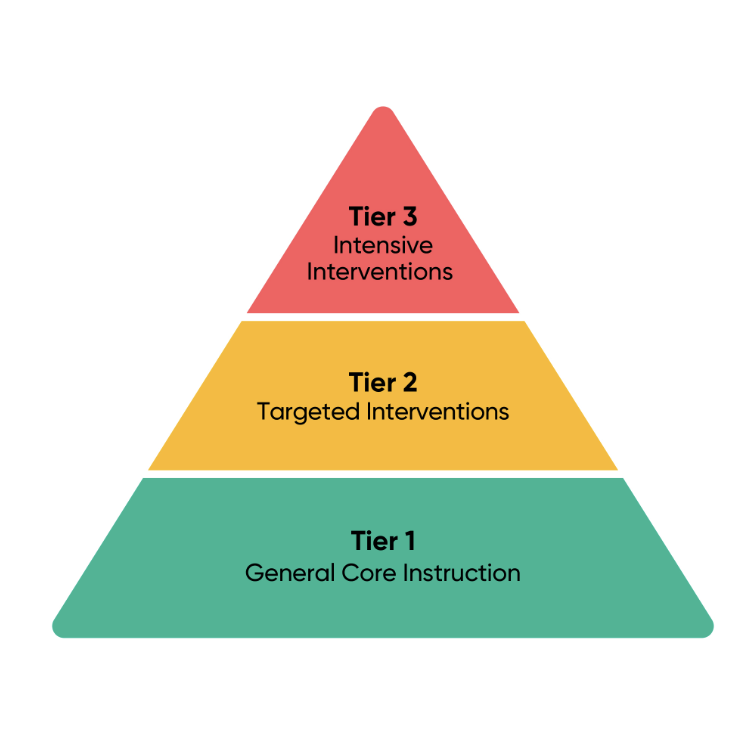
Phew! We have now come to the end of this section where we discussed the influence of media on children. There are many different parenting solutions, interventions, and forms of digital detoxing that can be presented as solutions to help us better control ourselves around technology. However, as we have emphasized throughout this whole journey, there isn’t one extreme we can choose and lean towards. Technology has indeed come with many advantages, but there needs to be an emphasis on how we are supposed to use technology, and not allow technology to use us.
We will now venture forward into the our last section, where we talk about some of the controversies surrounding this talk.